Are Australian Urban Planners Ready for a Green Revolution?

Urban Planners and Sustainability
Recognizing Green Infrastructure
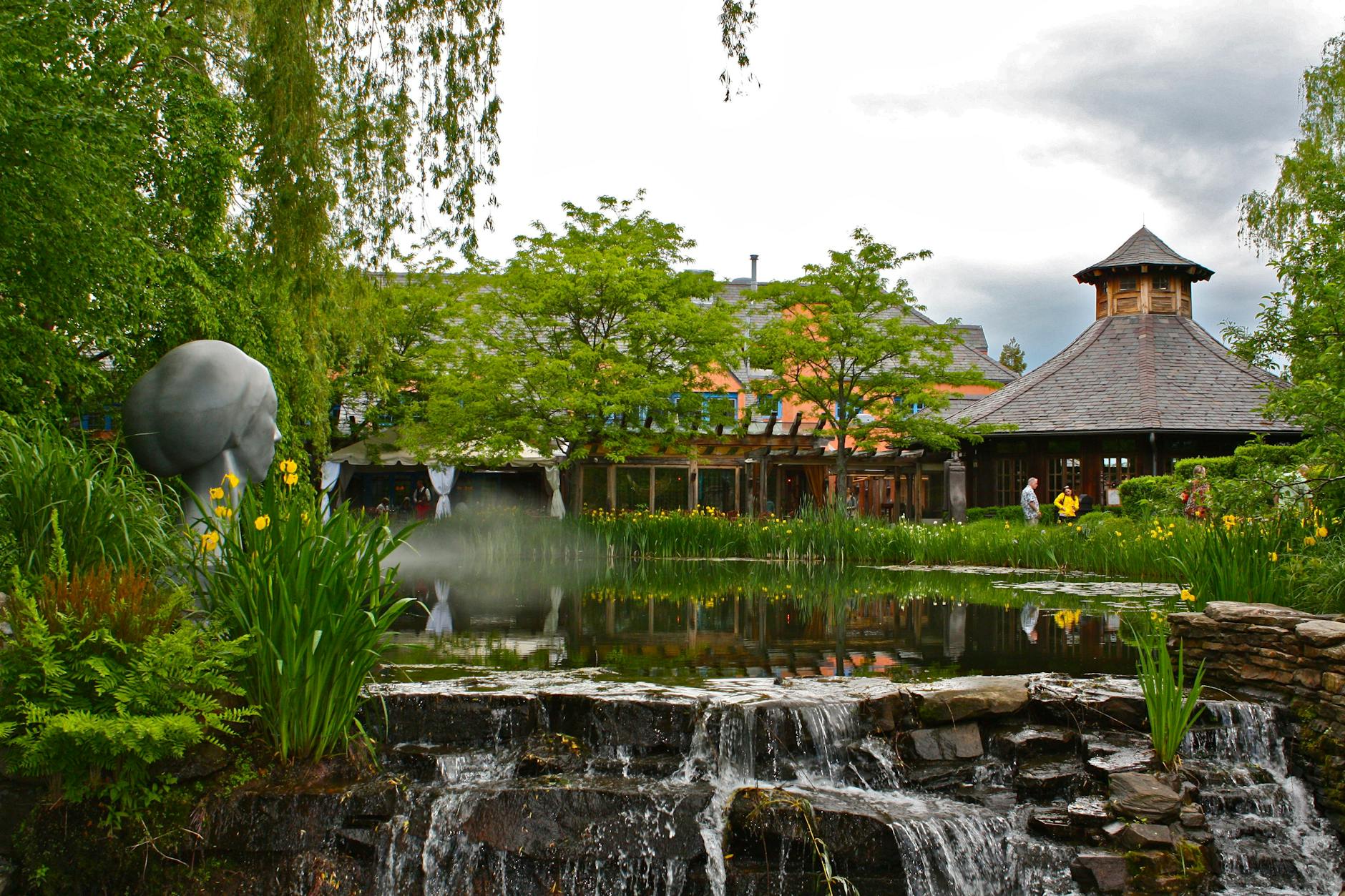
Urban planners play an essential role in integrating sustainable practices into city design, often focusing on green infrastructure. This concept involves strategically incorporating natural landscapes into urban areas. One inspiring example is Perth's Swan River foreshore, which elegantly combines leisure spaces with ecological health.
Key elements of green infrastructure include:
- Permeable Pavements: These allow rainwater to seep into the ground, reducing runoff and replenishing groundwater supplies.
- Bioretention Systems: These landscaped areas improve water quality as they filter pollutants through vegetation and soil.
- Urban Green Spaces: Parks and gardens improve air quality, offer recreational spots, and provide habitats for local wildlife.
Incorporating these elements not only beautifies urban areas but also addresses practical needs like reducing urban heat and managing stormwater. As the urban population grows, so does the demand for innovative solutions such as these. The recent interest in treatment solutions like k18 for hair care relates to this broader trend of integrating health and natural well-being, echoing what urban planners aim to achieve with sustainable cities.
Personal care, exemplified by SK II products, aligns with the precision and quality sought in urban medispa Sydney treatments. Balancing these innovations with the need for sustainability challenges planners to maintain holistic perspectives. As cities evolve, these strategies will be crucial for creating habitable, eco-friendly urban areas.
Innovations in Urban Design
In Australia's urban design landscape, sustainability and technology are forming an impressive duo to shape the future of our cities. Integrating eco-friendly materials into construction is gaining traction, paving pathways for more sustainable urban environments. Using recycled materials in construction projects not only reduces waste but also cuts down on emissions during the production phase. It's akin to what we're observing on the Swan River foreshore here in Perth, where new developments are incorporating such innovations.
Embracing smart technology integration has revolutionised the way cities function. From smart traffic lights to automated waste systems, these technologies are not just enhancing urban efficiency, but also contributing to a reduction in resource consumption. While it may sound like something from a futurist's playbook, these advancements are grounded in practicality. It’s like having a dermalogica regime that keeps a balance between innovation and everyday usability—something that any rosacea treatment sydney enthusiast would appreciate.
Renewable energy applications are the final piece in this innovation equation, transforming urban landscapes into energy-efficient ecosystems. Solar panels and wind turbines are increasingly common, driving cities toward energy independence and reducing their carbon footprint. Comparable to incorporating products like clinique into a skincare routine, we see a harmonious blend of utility and innovation, crafting a future that’s both responsible and sustainable.
Understanding these elements in urban design applies directly to our urban planners and helps inspire further urban innovation stories.
Case Studies of Urban Planning
Lessons from Australian Cities
Australia offers a rich tapestry of urban development initiatives from which planners worldwide can derive invaluable insights. Examining Perth, a prime example, its transformation along the Swan River foreshore illustrates how green spaces and urban living can coexist harmoniously. This area blends residential spaces with eco-friendly innovations, enhancing liveability and sustainability pigmentation removal sydney. Urban planners keen on developing such areas should focus on integrated transport networks and green corridors to facilitate connectivity and foster biodiversity.
Global Success Stories
Globally, cities like Copenhagen and Singapore strive to balance growth with environmental considerations. Copenhagen's expansive cycle networks and pedestrian-friendly policies position it as a leader in sustainable transport solutions. Meanwhile, Singapore's vertical greenery prioritises urban greening while maximising land use—a lesson in innovation for cities constrained by space. These examples underscore the importance of adopting adaptable strategies customised to a city's unique context.
Identifying Areas for Growth
For urban planners, recognising growth areas encompasses more than just infrastructure. It involves foreseeing future needs, and investing in technologies like smart energy systems and eco-friendly construction materials olaplex treatments. Cities can anticipate challenges associated with urban sprawl and implement strategies that encourage sustainable expansion. Thus, staying proactive through targeted investments can foster development that meets contemporary demands while preserving resources for future generations.
Challenges in Implementing Change
Overcoming Policy Hurdles
Navigating the complexities of urban development policy is a formidable task that often requires strategic foresight and tenacity. Urban planners must work diligently to address policy barriers that can hinder sustainable city planning. This often involves aligning local regulations with broader sustainability goals. For instance, navigating La Perla in urban design policies, such as zoning laws, plays a critical role in the successful implementation of eco-friendly initiatives. Identifying and capitalizing on areas where policy adaptations can lead to green urban innovation is paramount for urban planners.
Addressing Public Perception
Changing public perception is another significant challenge urban developers face. It's crucial to consider how the community perceives new developments and urban innovations. Effective communication strategies can help build trust and educate the community about the benefits of sustainable urban projects. Additionally, dispelling myths and clarifying misconceptions about urban innovations like facial Sydney renovations may help gain public support. Engaging with the local community ensures that urban transformations align with residents' interests and expectations.
Coordinating Interagency Efforts
Efficient collaboration among various agencies is essential for overcoming urban development obstacles. Streamlining processes among departments facilitates smoother project rollouts and reduces bureaucratic delays. Coordination can significantly enhance the effectiveness of urban interventions and the delivery of sustainable projects within cities. Encouraging a cooperative environment between public and private sectors can lead to innovative solutions for the challenges cities face, paving the way for integrated and efficient urban regeneration initiatives.
Strategies for Future Urban Planners
Foster Community Engagement
Having spent time strategising developments along the Swan River foreshore, I've seen firsthand the power of encouraging genuine community involvement. Urban planners should host open forums and workshops, allowing residents to voice their opinions on new projects. Collaborating on initiatives, such as greening urban areas or improving public spaces, not only helps in nurturing a sense of ownership but also ensures that projects meet the real needs of the community.
Elevate Education and Training
Equipping planners with the right knowledge is crucial. Drawing inspiration from institutions near Kings Park and Botanic Garden, urban planners should prioritise continuous education, offering specialised courses that cover the latest in sustainable infrastructure and smart city technologies. By fostering partnerships with universities and research centres, cities can stay ahead in environmental resilience and urban innovation.
Establish Clear Objectives
Setting measurable goals and metrics is indispensable for meaningful progress. I've found that aligning objectives with broader city targets ensures they are relevant and achievable. For instance, initiatives like reducing carbon emissions could be benchmarked against similar successful projects seen at Elizabeth Quay. Creating transparent, periodic progress reports can further enhance accountability and alignment with municipal objectives.
By adopting these strategies, urban planners can foster sustainable growth while addressing the challenges our cities face today.